
A coffee tasting can be as simple as two coffees, a few small cups, and a table where everyone can sit comfortably. You do not need matching equipment or a vocabulary full of flavor notes. You need a clear comparison, enough time to let hot coffee cool, and permission for everyone to like something different.
For a first gathering, I would keep the plan small: two coffees, two to four adult tasters, and a short round of tasting before you bring out the snacks. That is an easy hosting format to adapt, rather than a professional cupping protocol or a tested brewing recipe. Use the brewing directions for your coffee and equipment, and let the printable tasting sheet do the remembering for you.
The setup ideas here are inspiration. Measure your own table and check your appliance instructions before arranging the brewing area.
Choose Two Coffees and Keep the Comparison Simple
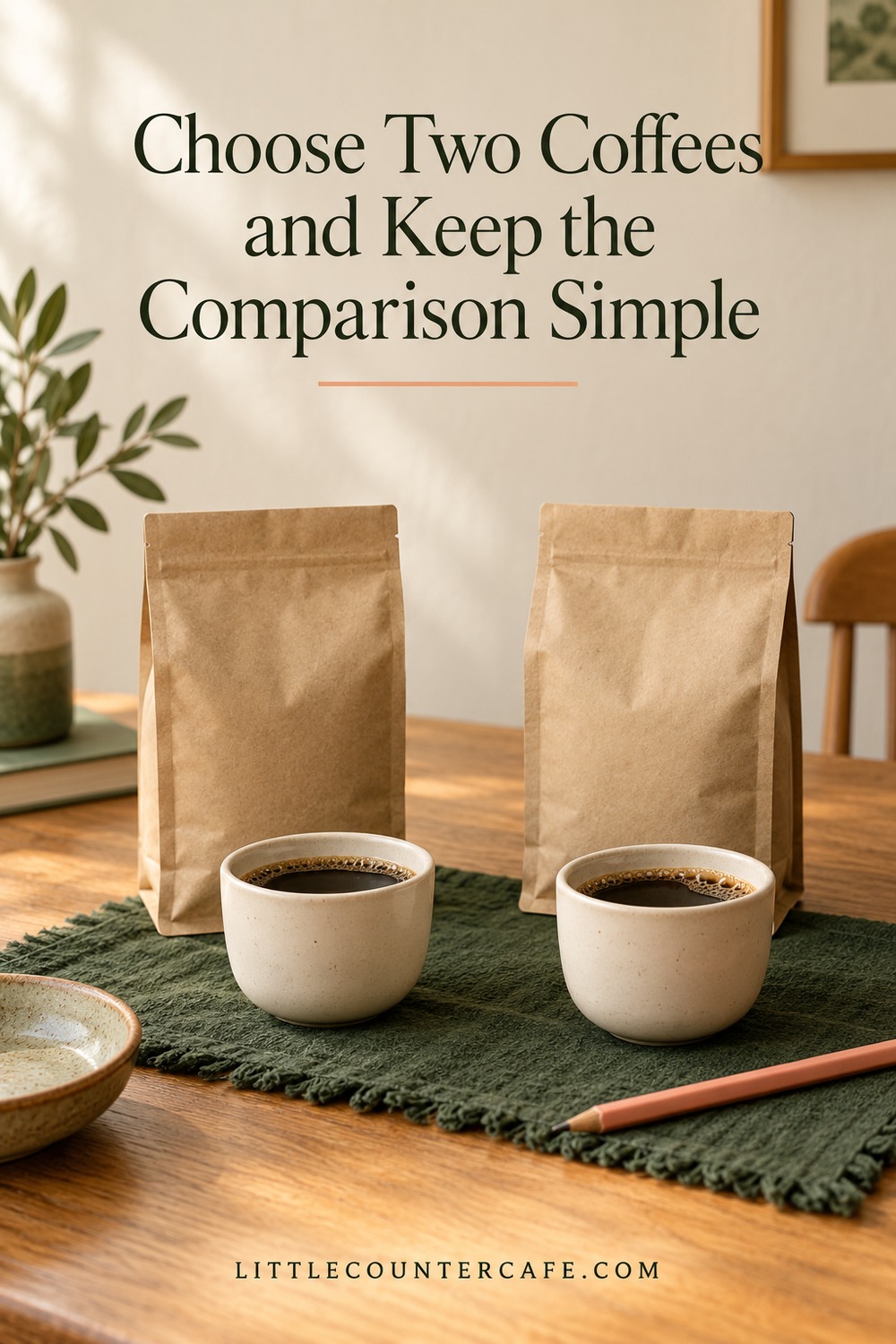
Start with one question. Do you prefer the lighter roast or the darker roast from the same roaster? Which of two familiar blends would you buy again? Would you enjoy a decaf version as your everyday cup? A question makes the gathering feel purposeful without turning it into a lesson.
Choose two coffees with a difference you can explain from their packaging. Keep the bags so guests can see the actual ingredients, roast descriptions, and brewing suggestions afterward. If you compare a blend with a single-origin coffee, avoid saying that origin caused every difference you notice: roast, processing, preparation, and other variables may differ too. This is a preference comparison, not a controlled experiment.
For a casual tasting, a small pour of about 2 US fluid ounces (roughly 60 mL) per person per coffee is a useful planning example. Four people tasting two coffees would need about 16 fluid ounces (480 mL) of served coffee in total, plus any extra for refills and the losses your brewer normally produces. That is serving arithmetic, not the amount of water to put into your machine. Check the brewer’s minimum batch size and use its directions; some machines do not work well with tiny batches.
You do not have to finish every sample. Ask guests whether they want regular coffee, decaf, or an alternative before shopping. Clearly identify what you serve, avoid making caffeine comparisons from roast color, and offer water throughout. A tea drinker can join the conversation with a separate cup they enjoy; nobody needs to taste coffee to belong at the table.
Keep the brewing method consistent where practical. If you have a drip brewer, use it for both coffees. If you have a pour-over setup, follow the same equipment and coffee directions for each. Record the dose, water amount, grind setting, and brew order so you can understand the comparison later. The National Coffee Association’s brewing guides explain that methods call for different equipment and techniques; follow the guide that matches yours rather than treating one recipe as universal.
With one machine, brew in two rounds and be honest about the limitation. Let everyone taste and note the first coffee, then prepare the second the same way. Different holding times can change the experience, so you are choosing a favorite from this gathering, not awarding a scientific winner. If you own suitable insulated servers, label them clearly and use them according to their instructions. Do not buy a second brewer just to make a first tasting possible.
For a broader catch-up rather than a comparison, the small-space home cafe morning guide can help you plan the rest of the gathering.
Set Up a Small Tasting Table
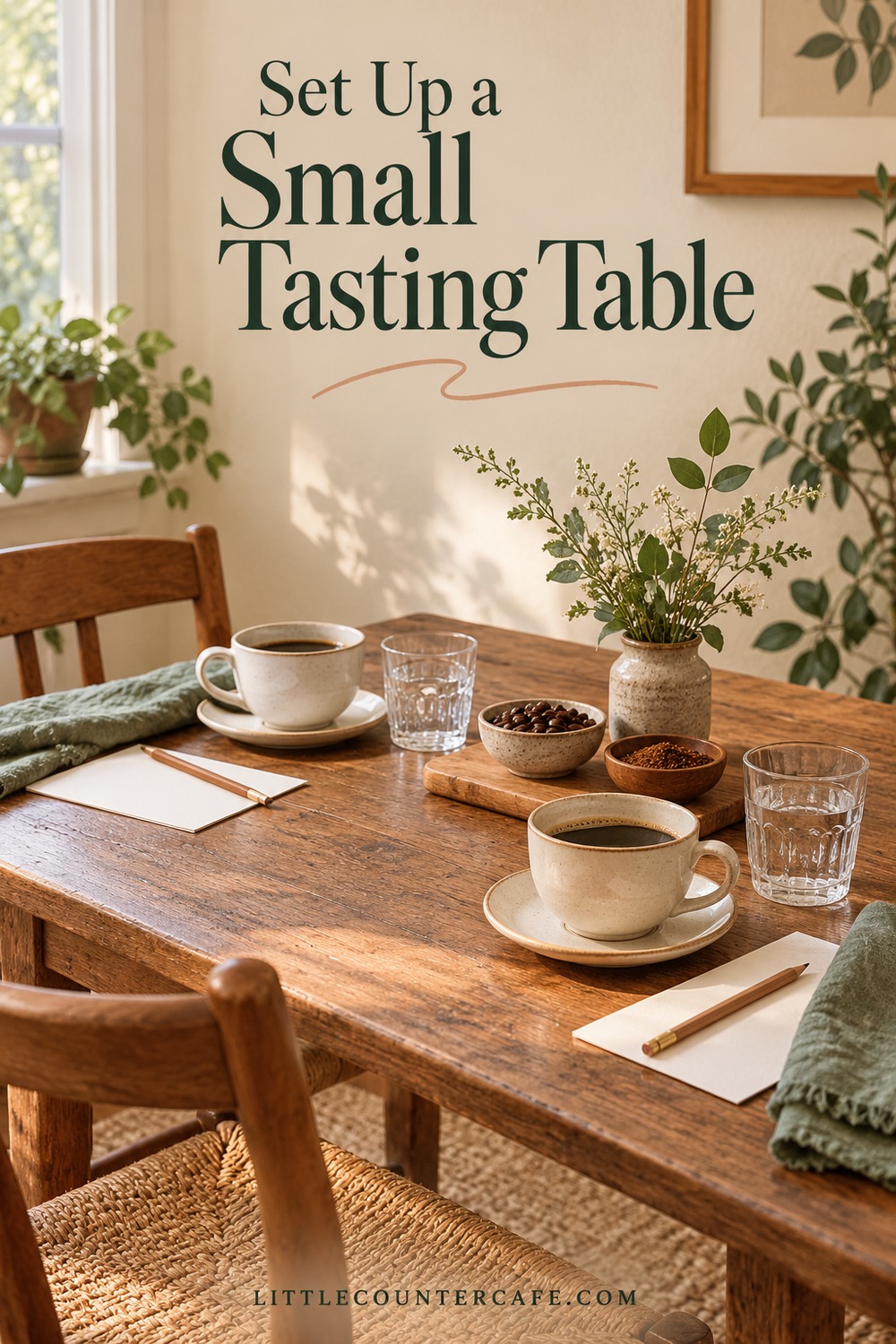
Give the hot-water work one clear area and the tasting another. Keep the brewer on its usual stable, suitable surface with its required clearance, accessible plug, and safe cord route. Let guests sit at the table instead of crowding around the machine. Keep hot drinks away from edges and children’s reach.
At each place, put a tasting sheet, pencil, water glass, and two clean cups if you have enough. Cups of similar size and material make the comparison easier to follow, but a mismatched set is fine. Note the difference if one cup holds heat noticeably longer. With four tasters and two coffees, that means eight tasting cups; if you only have four, run one coffee at a time and wash the cups between rounds.
Use A and B labels on the table beside the cups. Keep paper labels clear of hot surfaces and out of the drinks. A folded card next to each serving vessel works well because guests can read it without lifting anything. If you want a blind preference round, keep the bag identities on the host’s worksheet until everyone has written a first impression. Still tell guests about decaf status, added flavors, and any ingredients they need to know before serving.
Leave the middle of a small table open for safe placement and passing. A side tray can hold the spare cups and clean spoons; it should not become a second obstacle in the walkway. Put finished cups somewhere separate from the clean set. This small distinction is more useful than adding another decorative item.
You can make the table feel inviting with a folded forest-green napkin, a peach pencil, or your everyday ceramic mugs. Skip strongly scented candles and room sprays near the tasting. Give the coffee space to be noticed, and keep decorations away from heat, cords, and pouring paths.
Put optional milk, sweetener, and snacks aside for the second round. Guests can try coffee plain first if they wish, then see what they enjoy with their usual additions. Do not make drinking black coffee a condition of joining in. Use individually clean utensils rather than passing a tasting spoon from mouth to shared drink.
If you are borrowing a dining-room surface, check the dining room coffee station guide for furniture, access, and placement questions before moving equipment.
Taste, Compare, and Write What You Notice

Explain the whole activity before pouring: taste a little, write something privately, then talk. Keeping the first notes private stops the most confident guest’s description from becoming everybody else’s answer.
Start with aroma. Smell the cup from a comfortable distance without leaning over steam. Let the drink cool enough to sip comfortably; do not ask guests to taste scalding coffee to keep up with a timetable. Small sips are enough. A louder tasting slurp is optional, not an entrance requirement.
Starbucks’ introductory tasting guidance uses aroma, acidity, body, and flavor as useful observation categories. For a home gathering, translate those into everyday questions rather than a scorecard people need to study:
- Aroma: What does the smell remind you of? You can write a familiar food, a general word such as toasted, or simply mild or strong.
- Brightness: Does the taste feel lively or gentler compared with the other cup? Here, acidity is a sensory description; it is not a measurement of pH or a prediction about how a drink will affect someone.
- Body: Does the coffee feel light, rounded, or heavier in your mouth? Describe texture separately from how intense the flavor seems.
- Flavor and finish: What do you notice while sipping, and what remains afterward? A simple comparison such as more roasty than A is useful.
Then add the question that matters for shopping: would I want another cup? You can prefer a coffee even when you cannot name a single fruit or spice. Tasting notes printed on a plain coffee bag describe flavor associations; do not assume they mean those ingredients have been added. Check the ingredient information when serving flavored coffee or accommodating allergies.
Use the printable for one A-versus-B comparison per person. Write the cup code, preparation notes, first impression, texture, finish, and preference. There is no need to rank every characteristic numerically. If someone writes “tastes like coffee,” ask which cup they would choose tomorrow rather than suggesting an answer.
After the first notes, invite each person to share one observation. Keep the discussion curious: “I noticed something different” is enough. Reveal the bags if you hid the identities, then let people revisit a small amount of each coffee at a comfortable temperature. A change of mind is a useful observation, not a mistake.
If both cups seem identical, compare one quality at a time and take a water break. If one tastes unexpectedly harsh or weak, check the preparation record, filter placement, grind, and machine directions before blaming the beans. Change one preparation variable on a later occasion, rather than repeatedly brewing extra batches for guests who have had enough.
Finish With a Favorite and an Easy Reset
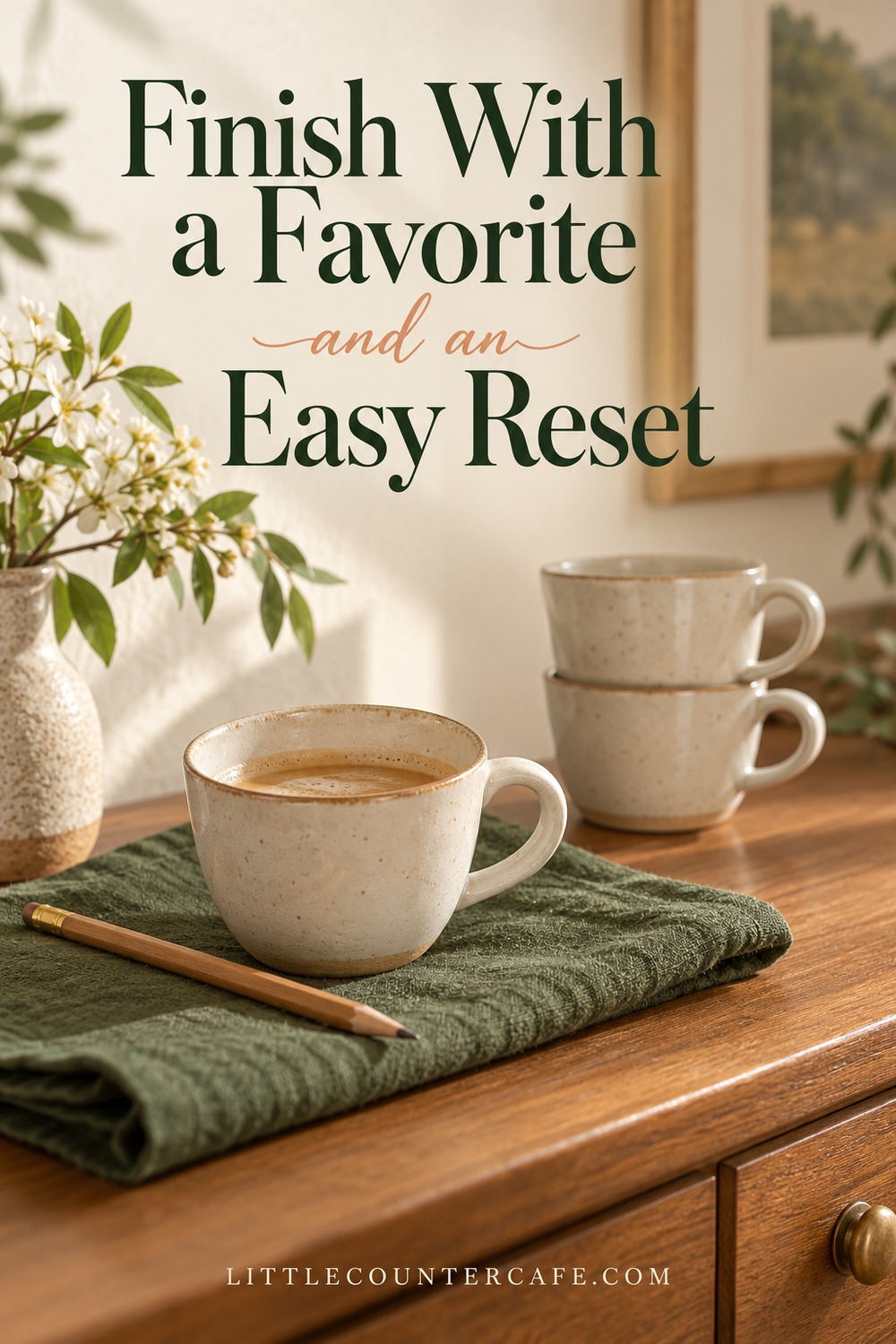
Once everybody has a favorite, offer a small refill or their preferred milk and sweetener. Bring out a simple snack after the initial comparison so food becomes a relaxed finish rather than another variable to manage. Ask about dietary needs in advance and retain ingredient labels for packaged food.
Keep milk and other foods that require refrigeration cold until needed, and put out only a small serving quantity. FDA guidance says refrigerated perishables should not remain at room temperature for more than two hours, or one hour when the air temperature is above 90°F (32°C). Track total time out, not just the current round. Return suitable unused portions promptly, discard items that have exceeded the limit, and follow the product’s storage directions. Do not pour used table leftovers back into the original carton.
Before guests leave, write down the actual favorite and one thing to change next time. Perhaps two coffees were plenty, the cups needed larger labels, or the table worked better without a central tray. Save a photo of the coffee bags for your own shopping reference if helpful. Your notes belong to that tasting; they are not universal ratings or proof that one origin is better than another.
Clear the hot-drink area before you pack away the table. Switch off equipment as directed, let it cool, and follow its cleaning instructions. Rinse and wash serving pieces according to their care guidance. Put the remaining dry coffee away following the bag’s directions, and keep the scorecards together if you want another comparison later.
Your quick hosting checklist: choose two coffees; confirm guest preferences; work out small serving quantities; check the brewer’s capacity; set out clean cups and water; label A and B; print one tasting sheet per guest; taste comfortably; compare notes; offer optional additions; reset the space.
Free printable: the two-page Coffee Tasting Planner and Notes Sheet includes a host setup plan and a guest comparison page. Print the guest page once for each taster. Download the PDF using the link below.
If you want to browse serving pieces after checking what you already own, the category collection below gathers coffee hosting and gift ideas. As an Amazon Associate I earn from qualifying purchases.
The best result is a short list of coffees you actually enjoy, and an easy gathering you would happily repeat. Start with two cups, listen to everyone’s preferences, and let the conversation be part of the pleasure.
Download the Coffee Tasting Planner and Notes Sheet (PDF)
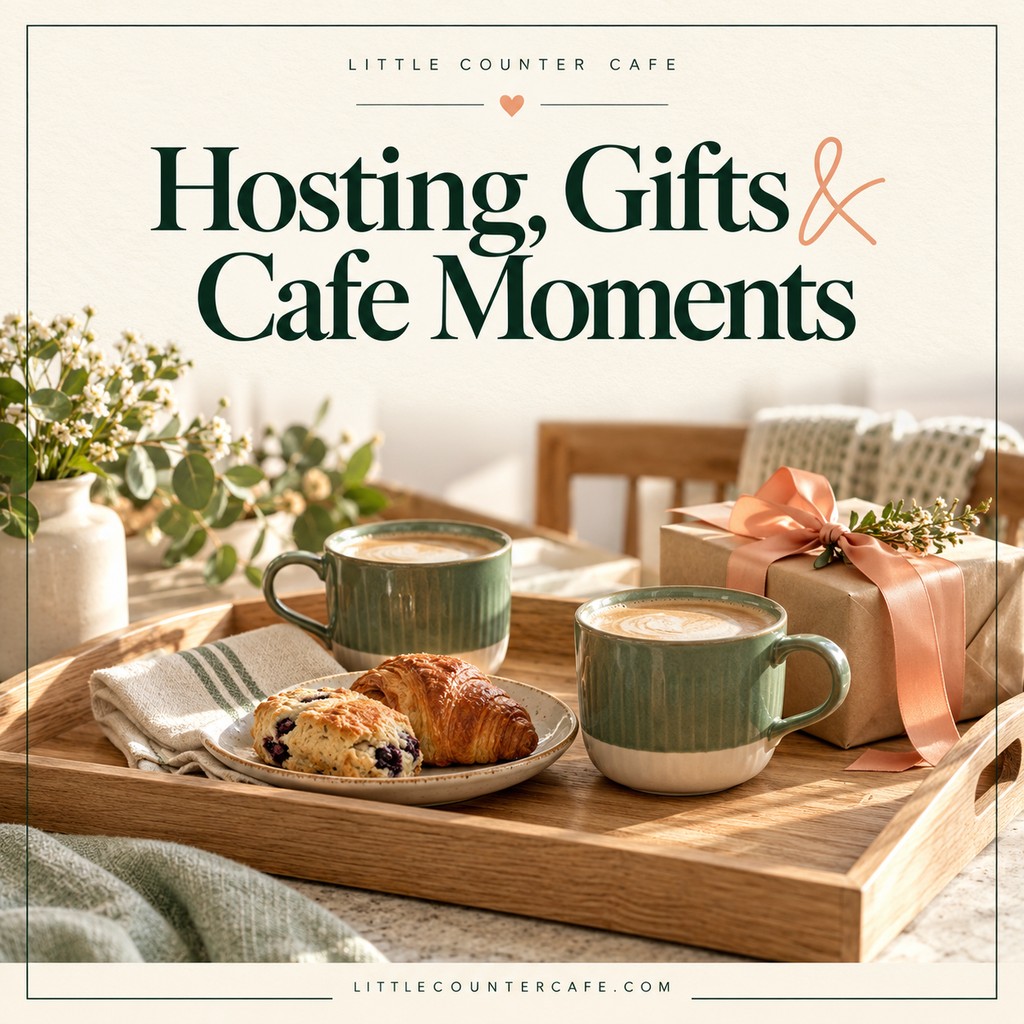
LITTLE COUNTER CAFE · Coffee Hosting & Gift Ideas
Make a small coffee moment feel special.
Thoughtful brewing gifts, serving pieces, and drink supplies for relaxed coffee catch-ups at home.
As an Amazon Associate I earn from qualifying purchases. This is a paid link.